


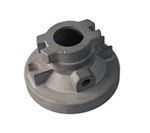


Turbine Blades Aircraft
OEM & ODM Services: Available
Weight: Custom
Tolerance: 0.004mm
Smooth surface roughness: Ra0.6-3.2
Turbine blades in aircraft engines play a vital role in converting the energy of high-pressure, high-temperature gases into rotational energy to drive the engine compressor and ultimately propel the aircraft forward. These blades are typically found in the compressor and turbine sections of the engine.
The following is an overview of aircraft engine turbine blades:

Compressor Blades:
In the compressor portion of the engine, turbine blades are used to compress the incoming air. Compressor blades are designed to effectively increase the pressure and density of air as it flows through the engine. They are usually airfoil shaped to optimize aerodynamic performance and arranged in multiple stages to achieve the desired compression ratio.

Turbine Blades:
In the turbine section, the turbine blades extract energy from the high-temperature and high-pressure gases produced by the combustion process. These gases expand as they pass over the turbine blades, causing the blades to rotate. This rotational energy is transmitted to the engine shaft, which drives the compressor and other accessories.

Materials:
Turbine blades in aircraft engines are often made from advanced materials such as nickel-based superalloys or ceramic matrix composites (CMC). These materials provide high strength, temperature resistance and durability to withstand harsh operating conditions within the engine.

Cooling:
Due to the extreme temperatures experienced by the turbine section of the engine, turbine blades often employ internal cooling channels or external film cooling to dissipate heat and prevent overheating. Cooling air is typically extracted from the engine's compressor and directed to the turbine blades to maintain their structural integrity.

Manufacturing:
Turbine blades are manufactured using advanced techniques such as investment casting or single crystal casting, producing blades with complex geometries and precise tolerances. Additive manufacturing (3D printing) is also increasingly used to manufacture turbine blades, providing greater design flexibility and shorter lead times.

Maintenance and Inspections:
Turbine blades undergo regular inspections and maintenance to detect any signs of wear, corrosion or damage that could impair engine performance or safety. Using non-destructive testing methods such as ultrasonic testing and thermal imaging, the condition of the blades can be assessed without disassembly.
Hot Tags: turbine blades aircraft, China turbine blades aircraft manufacturers, suppliers, factory, Aircraft Turbine Blades, Jet Engine Turbine Blades, Turbine Engine Blade, Titanium Alloy Turbine Blade, Compressor Impeller Turbine Blade, High Pressure Turbine Blade
Previous
No InformationYou Might Also Like



Send Inquiry