


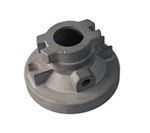


Automobile Engine Exhaust Manifold
OEM & ODM Services: Available
Weight: Custom
Tolerance:0.004mm
Smooth surface roughness:Ra0.6-3.2
An automobile engine exhaust manifold is a critical component of the engine's exhaust system. It plays a vital role in channeling and directing the exhaust gases produced during the combustion process from the engine cylinders to the exhaust pipe and ultimately out of the vehicle. Here's an overview of the automobile engine exhaust manifold:
Function:
The primary function of the exhaust manifold is to collect the hot, pressurized exhaust gases that are generated in the engine cylinders during the combustion process. These gases contain harmful byproducts, such as carbon monoxide and nitrogen oxides, which need to be safely and efficiently expelled from the engine and out of the vehicle.
Components and Construction:
Exhaust manifolds are typically constructed from cast iron or stainless steel due to their high-temperature resistance. The manifold is bolted directly to the engine's cylinder head and is positioned adjacent to the exhaust ports of the cylinders. It is designed with individual runners that match the arrangement of the engine's cylinders. The number of runners corresponds to the number of cylinders in the engine.
Working Principle:
As the exhaust gases are expelled from the engine cylinders, they enter the exhaust manifold through the exhaust ports. The manifold's individual runners channel the gases to a common outlet, often referred to as the collector. The collected gases are then directed into the exhaust pipe and subsequently through the rest of the exhaust system, which includes catalytic converters, mufflers, and tailpipes, before being released into the atmosphere.
Key Points:
The exhaust manifold must be designed to withstand high temperatures and pressure changes associated with the exhaust gases.
Efficient exhaust flow is essential for optimal engine performance and reduced emissions.
In some performance-oriented applications, aftermarket exhaust manifolds are used to improve exhaust flow and enhance engine efficiency.
Cracks, leaks, or damage to the exhaust manifold can result in increased noise, decreased engine performance, and potential emission issues.
Advantages of Exhaust Manifolds:
Improved Engine Performance: Efficient exhaust flow reduces back pressure on the engine, allowing it to breathe better and potentially increase power output.
Emission Control: Properly functioning exhaust manifolds contribute to effective emission control by routing gases through catalytic converters.
Durability: Exhaust manifolds are built to withstand high temperatures and harsh conditions, ensuring long-lasting performance.
Maintenance and Care:
Regular inspections can help detect any cracks or leaks in the exhaust manifold.
If cracks are found, timely repair or replacement is crucial to prevent exhaust leaks and performance issues.
Proper maintenance of the entire exhaust system is important to ensure optimal engine performance and emissions control.
Conclusion:
The exhaust manifold is an integral component of an automobile engine's exhaust system. It collects and directs exhaust gases from the engine cylinders to the exhaust pipe and beyond. Its proper function is essential for maintaining engine efficiency, reducing emissions, and ensuring the overall performance of the vehicle.
Hot Tags: automobile engine exhaust manifold, China automobile engine exhaust manifold manufacturers, suppliers, factory, Car Engine Turbo Shaft, Nickel Alloy Exhaust Valve, Nickel Alloy Automotive, Automobile Engine Exhaust Manifold
Previous
No InformationYou Might Also Like



Send Inquiry