


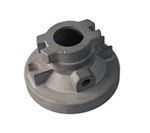


Stellite Steam Turbine Accessories

To provide the power to forge your creativity! We are skilled at turning concepts into reality, using high-temperature alloy materials to create the perfect product in your mind.
Product Introduction
| Name | Gas turbine accessories repair and assembly services |
|
Place of Origin |
Shandong, China |
|
Brand Name |
OBT |
| Process |
Lost Wax Casting/Precision Casting |
|
Application |
Marine engineering, chemical equipment, aerospace, oil and gas industry, food processing equipment, medical equipment, and chemical industry |
|
Material |
Stellite 6 Stellite 12 Stellite 21 Stellite 31 Stellite 190 Stellite 694 Stellite 712 Stellite 730 Stellite 706 Stellite 696 Stellite 701 Stellite 720 |
|
Surface treatment |
Grinding, polishing, sanding, coating, spray coating, anodizing, heat treatment |
|
Certification |
ISO9001:2015 Certified |
| Service | OEM |
| Customized | Customized |
Material
| Stellite 6: | Cobalt (Co): 30-33% | Stellite 712: | Cobalt (Co): 27-31% |
| Chromium (Cr): 4-6% | Chromium (Cr): 30-34% | ||
| Molybdenum (Mo): 1-3% | Molybdenum (Mo): 7-9% | ||
| Carbon (C): 1.2-1.4% | Iron (Fe): 3% (maximum) | ||
| Iron (Fe): 3% (maximum) | Manganese (Mn): 1% (maximum) | ||
| Manganese (Mn): 1% (maximum) | Silicon (Si): 1% (maximum) | ||
| Silicon (Si): 1% (maximum) | Vanadium (V): 1.5-2.5% | ||
| Stellite 12: | Cobalt (Co): 29-33% | Carbon (C): 0.9-1.4% | |
| Chromium (Cr): 8-10% | Stellite 730: | Cobalt (Co): 28-32% | |
| Molybdenum (Mo): 1-2% | Chromium (Cr): 26-30% | ||
| Manganese (Mn): 1% (maximum) | Molybdenum (Mo): 4-6% | ||
| Silicon (Si): 1% (maximum) | Iron (Fe): 3% (maximum) | ||
| Iron (Fe): 3% (maximum) | Manganese (Mn): 1% (maximum) | ||
| Nickel (Ni): 3% (maximum) | Silicon (Si): 1% (maximum) | ||
| Stellite 21: | Cobalt (Co): 12-15% | Vanadium (V): 1-2% | |
| Chromium (Cr): 26-30% | Aluminum (Al): 0.4-1.2% | ||
| Molybdenum (Mo): 0.5-2.5% | Stellite 706: | Cobalt (Co): 28-32% | |
| Iron (Fe): 3% (maximum) | Chromium (Cr): 26-30% | ||
| Manganese (Mn): 1% (maximum) | Molybdenum (Mo): 4-6% | ||
| Silicon (Si): 1% (maximum) | Boron (B): 0.5-1.5% | ||
| Titanium (Ti): 0.2-0.6% | Carbon (C): 0.9-1.4% | ||
| Carbon (C): 0.05-0.15% | Iron (Fe): 3% (maximum) | ||
| Stellite 31: | Cobalt (Co): 28-32% | Manganese (Mn): 1% (maximum) | |
| Chromium (Cr): 11-13% | Silicon (Si): 1% (maximum) | ||
| Molybdenum (Mo): 2.5-3.5% | Phosphorus (P): 0.03% (maximum) | ||
| Manganese (Mn): 1.5% (maximum) | Sulfur (S): 0.03% (maximum) | ||
| Silicon (Si): 1% (maximum) | Stellite 696: | Cobalt (Co): 27-31% | |
| Phosphorus (P): 0.03% (maximum) | Chromium (Cr): 27-31% | ||
| Sulfur (S): 0.03% (maximum) | Molybdenum (Mo): 8-10% | ||
| Iron (Fe): 3% (maximum) | Iron (Fe): 3% (maximum) | ||
| Nickel (Ni): 3% (maximum) | Manganese (Mn): 1% (maximum) | ||
| Stellite 190: | Cobalt (Co): 25-29% | Silicon (Si): 1% (maximum) | |
| Chromium (Cr): 27-31% | Aluminum (Al): 1-2% | ||
| Molybdenum (Mo): 8-10% | Titanium (Ti): 0.8-1.3% | ||
| Iron (Fe): 3% (maximum) | Carbon (C): 0.6-1.1% | ||
| Manganese (Mn): 1% (maximum) | Stellite 701: | Cobalt (Co): 27-31% | |
| Silicon (Si): 1% (maximum) | Chromium (Cr): 27-31% | ||
| Aluminum (Al): 0.8% (maximum) | Molybdenum (Mo): 8-10% | ||
| Titanium (Ti): 0.4% (maximum) | Iron (Fe): 3% (maximum) | ||
| Carbon (C): 0.2% (maximum) | Manganese (Mn): 1% (maximum) | ||
| Stellite 694: | Cobalt (Co): 25-29% | Silicon (Si): 1% (maximum) | |
| Chromium (Cr): 28-32% | Vanadium (V): 1-2% | ||
| Molybdenum (Mo): 4-6% | Aluminum (Al): 0.4-1.2% | ||
| Boron (B): 0.5-1.5% | Carbon (C): 0.6-1.1% | ||
| Iron (Fe): 3% (maximum) | Stellite 720: | Cobalt (Co): 28-32% | |
| Manganese (Mn): 1% (maximum) | Chromium (Cr): 26-30% | ||
| Silicon (Si): 1% (maximum) | Molybdenum (Mo): 4-6% | ||
| Phosphorus (P): 0.03% (maximum) | Boron (B): 0.5-1.5% | ||
| Sulfur (S): 0.03% (maximum) | Iron (Fe): 3% (maximum) | ||
| Manganese (Mn): 1% (maximum) | |||
| Silicon (Si): 1% (maximum) | |||
| Phosphorus (P): 0.03% (maximum) | |||
| Sulfur (S): 0.03% (maximum) |
Produces
- Blades: Stellite material is commonly used in the manufacturing of steam turbine blades, especially high-speed, high-temperature, and high-pressure blade components, due to its excellent wear resistance and high temperature resistance.
- Nozzles: The guide vanes of a steam turbine need to withstand the impact of high-speed fluids and high-temperature and high-pressure environments. The wear resistance and corrosion resistance of Stellite material make it an ideal choice for guide vane components.
- Rotors: Steam turbine discs need to have high strength and wear resistance to withstand high-speed rotation and stress. Stellite material is commonly used in key parts of the manufacturing of discs.
- Sealing Rings: Stellite material is widely used in sealing rings of steam turbines due to its excellent wear resistance and heat resistance, to improve sealing performance and extend service life.
- Bearing Components: In high-speed rotating steam turbines, bearing components need to have good wear resistance and heat resistance. Stellite material is commonly used to manufacture bearing sleeves and other components.
- Injector Nozzles: The nozzle components used in steam turbines need to withstand the jet fluid in high-temperature and high-pressure environments, and Stellite material can provide good wear and corrosion resistance.
- Nozzle Throat: As a key component of the steam turbine nozzle, the nozzle short pipe needs to have excellent wear and corrosion resistance to ensure smooth steam injection and improve overall efficiency.
- Steam Deflectors: Used to guide steam to the correct position, steam deflectors need to withstand the impact of high-speed steam and high temperature environment. Stellite material can provide good wear resistance and high temperature resistance.
- Heat Exchange Tubing: In a steam turbine system, the piping components used for heat exchange need to withstand high-temperature and high-pressure steam fluids. The high temperature resistance of Stellite material makes it an ideal choice for heat exchange piping.
- Shaft Seals: In the bearing system of steam turbines, shaft seals need to have good sealing and wear resistance. Stellite material is commonly used to manufacture key parts of shaft seals to improve the reliability and service life of bearing systems.
- Combustor Components: Burner components used in steam turbines need to withstand high temperature and high pressure combustion gases. The high-temperature resistance of Stellite material makes it one of the commonly used materials for burner components.
- Hubs: Hubs are important components that connect blades and shafts, requiring good wear resistance and heat resistance to withstand the effects of high-speed rotation and high temperature and pressure environments.
- Compressor Blades: In the compressor components of a steam turbine, the blades need to have high strength and good wear resistance. Stellite material is commonly used to manufacture compressor blades that are resistant to high temperature and pressure.
- Gas Generator Components: Used for various parts in gas generators, such as combustion chamber wall panels, burner nozzles, etc., which need to withstand high temperature and high pressure combustion gases. Stellite material can provide good heat resistance performance.
- Turbine Nozzles: Turbine nozzles are used to guide steam towards turbine blades and need to withstand the impact of high-speed steam and high temperature and pressure environments. Stellite material is commonly used to manufacture wear-resistant turbine nozzles.
- Turbine Blades: Turbine blades are rotating components that need to withstand high-speed rotation and steam impacts at high temperatures and pressures. Stellite material is commonly used to manufacture key parts of turbine blades.
- Hubs: Hubs are important components that connect blades and shafts, requiring good wear resistance and heat resistance to withstand the effects of high-speed rotation and high temperature and pressure environments.
- Compressor Blades: In the compressor components of a steam turbine, the blades need to have high strength and good wear resistance. Stellite material is commonly used to manufacture compressor blades that are resistant to high temperature and pressure.
- Gas Generator Components: Used for various parts in gas generators, such as combustion chamber wall panels, burner nozzles, etc., which need to withstand high temperature and high pressure combustion gases. Stellite material can provide good heat resistance performance.
- Turbine Nozzles: Turbine nozzles are used to guide steam towards turbine blades and need to withstand the impact of high-speed steam and high temperature and pressure environments. Stellite material is commonly used to manufacture wear-resistant turbine nozzles.
- Turbine Blades: Turbine blades are rotating components that need to withstand high-speed rotation and steam impacts at high temperatures and pressures. Stellite material is commonly used to manufacture key parts of turbine blades.
Mechanical behavior
1. Tensile strength: Stellite materials usually have excellent tensile strength, which is generally between 800 MPa and 1200 MPa. The specific value may vary slightly depending on factors such as material model and heat treatment state.
2. Yield strength: The yield strength of Stellite materials is usually between 500 MPa and 900 MPa, depending on the composition and heat treatment state of the material.
3. Elongation: The elongation of Stellite materials is usually between 10% and 25%, which indicates the degree to which the material can be extended during the stretching process.
4. Hardness: The hardness of Stellite materials is usually between HRC 40 and HRC 60, which gives them good wear resistance and wear resistance.
5. Impact toughness: Stellite materials usually have high impact toughness, which can resist impact and vibration loading, reducing damage caused by external impacts.
6. Solution annealing:
- Solution annealing temperature: approximately 1100 ° C to 1200 ° C.
- Solution annealing time: usually 1 to 2 hours.mal expansion: The average coefficient of thermal expansion of Stellite materials is usually between 11.5 x 10 ^ -6/° C and 13.5 x 10 ^ -6/° C, which is a typical value in the range of 20 ° C to 100 ° C.
- Cooling method after solution annealing: usually air cooling or furnace cooling is used.
7. Density: Stellite materials typically have a density of 8.4 g/cm ³ To 9.4 g/cm ³ The specific values depend on the material composition and process.
8. Resistivity: The resistivity of Stellite materials is usually around 120 μ Ω · cm to 200 μ Between Ω · cm, the specific value also depends on the material composition and process.
9. Average coefficient of ther
Process
- Tool type:
Hard alloy cutting tools (such as hard alloy drills and milling cutters): Stellite materials usually have high hardness, making them suitable for machining with hard alloy cutting tools. These cutting tools have good wear resistance and cutting performance, and can effectively process Stellite materials.
- Processing conditions:
Cutting Speed: Due to the high hardness of Stellite materials, a higher cutting speed is usually required. The specific cutting speed depends on the type of tool, workpiece size, and machining requirements. The recommended cutting speed range is generally 30 to 60 meters per minute.
Feed Rate: An appropriate feed rate can improve machining efficiency and reduce tool wear. The recommended feed rate range is generally 0.05 to 0.2 millimeters per revolution.
Depth of Cut: Select the appropriate cutting depth based on machining requirements and tool type. The recommended cutting depth range is generally 0.5 to 2 millimeters.
Cutting lubrication: When machining Stellite materials, it is usually necessary to use appropriate cutting lubricants to reduce friction and heat, as well as reduce wear during the cutting process.
- Processing method:
Milling: For larger workpieces and complex shapes, milling can be used for fine machining and contour machining.
Turning: For cylindrical machining and simple shapes, turning can be used for machining.
Drilling: For hole processing, suitable hard alloy drill bits can be used for drilling operations.
Technology
| Casting | Investment Casting |
| Sand Casting | |
| Lost Wax Casting | |
| Die Casting | |
| Powder Metallurgy | |
| Permanent Mold Casting | |
| Plasma Spray Coating | |
| Vacuum Melting | |
| Laser Melting | |
| Forging | Open Die Forging |
| Closed Die Forging | |
| Cold Forging | |
| Hot Forging | |
| Impression Die Forging | |
| Friction Forging | |
| CNC | CNC Machining |
| Turning | |
| Milling | |
| Drilling | |
| Cutting | |
| Grinding | |
| Turning and Grinding | |
| Thread Cutting |
Packaging and delivery
|
Packaging Details |
Foam+Plywooden case+Filler |
|
Selling Units: |
Single item |
|
Single package size: |
Customized |
Lead time
| Quantity (pieces) | 1-3 | > 3 |
| Lead time (days) | 30 | To be negotiate |
Customization
- Customized logo
- Customized packaging
- Graphic customization
For more customization details, message supplier
| Tolerance | CNC Machining ±0.004mm/Casting ±0.1mm |
| Processing Craft | Sand Casting/Lost Wax Casting/Investment Casting/Vacuum Casting/Forging/CNC Machining/etc |
| Surface Treatment | A variety of surface treatments and coatings can be produced and customized according to your requirements. |
| Type | OEM; Customized |
| Certification | ISO9001:2015 Certified, UL Certification,GE,SGS,TUV,etc |
| Inspection | 1.Foundry in-house: 100% inspection on critical dimension; 100% on appea rance. |
| 2.Third Party inspection available upon requirement. | |
| 3.Optional X-ray detection | |
| 4.Fluorescence detection | |
| Service | Drawing Custom |
| Mainly Testing Facility | Spectrometer,CMM, Tensile testing machine, Impact tester,Hardness tester,X-Ray,Salt spray test box, Pneumatic detection,UV accelerated weathering tester,dynamic balancing, high-temperature tensile testing,fluorescence test,room temperature mechanical property testing and other testing. |
| Quality Guarantee | 2 Years |
| Features & Advantage |
1.High machining accuracy, the flatness within 0.001mm |
| 2.High finish appearance, smooth surface roughness is Ra0.6 after machining. | |
| 3.The machining precision is high and the assembly structure is seamless. | |
| 4.Smooth appearance, corrosion resistance. | |
| 5.Pass Salt Spray Test with 144 Hours. | |
| Standard | ISO , DIN, AISI, ASTM, BS, JIS, etc. |
| ISO , DIN, AISI, ASTM, BS, JIS, etc. | |
| Payment | L/C,D/A,D/P,T/T,Western Union,Money Gram |
Surface Coating Technology
| Name | Inner Cavity Cooling Channel Coating | External Surface |
| Nickel Aluminum Diffusion Coating | MTK-NAI | MTK-WAI |
| Aluminum Silicon Diffusion Coating | MTK-NAISi | MTK-JAISi |
| Chrome Aluminum Diffusion Coating | MTK-NAICr | MTK-JAISi |
| Diamond Aluminum Diffusion Coating | MTK-NAICr | MTK-WAICo |
| Platinum Aluminum Diffusion Coating | MTK-WPtAl | |
| Aluminum Diffusion Coating | MTK-NAITi | MTK-WAITi |
| Q Salt Electroplating Platinum | MTK-WPt | |
| Compressor Inorganic Phosphate Coating | MTK-WAI | |
| MCrAIY Coating Technology | MTK-RZ | |
| TBC | MTK-TBC | |
| CVD Vapor Phase Aluminizing | ||
| Chromated Aluminum Coating Technology |
Why Choose us
As one of the largest casting factories in China, we have 20 + years of experience. I'd like to introduce our factory in detail for you:
- Adopt technology: lost wax investment casting, sand casting, shell mold casting, lost foam casting, vacuum casting and CNC machining, etc.
- Credit insurance: USD 1,110,000.00. Authorized by Alibaba to guarantee your money and business safe.
- Certificate: ISO9001, ISO14001, CE, EAC, TUV, SGS, SABER, TS16949, CE, EAC, SGS
- More than 40 + exporting countries and More than 300 + abroad customers.
FAQ
Q1.Are you trading company or manufacturer?
A:OBT was established In 2003,speclallzing in the production of casting, CNC machining, forged titanlum alloys, high temperature alloys, brass products and one-stop technical solutions for more than 20 years.
Q2. Do you customize products according to our design drawings ?
A:Yes, we are a professional metal manufacturing factory with an experlenced engineering team that can make customized products according to customer drawings. We can also reverse-engineer drawings based on samples to produce large quantitles of goods.
Q3. WIll my design drawings be safe when you get It?
A:Yes, we will not publish your design to a third party unless your permission Is obtalned. We can sign NDA before you send the drawings.
Q4:How to avold mass order quality problems?
A:Strengthen prior prevention and Inspection of the production and processing process, regard Important processes as the focus of quallty control, and track Inspection and defense throughout the process. It can provide Spectrometer,MM, Tensile testing machine, Impact tester, Hardness tester, X-Ray,Salt spray test box, Pneumatic detection, UV accelerated weathering tester,dynamic balancing, high-temperature tensile testing, fluorescence test,room temperature mechanical property testing and other testing.
Q5.What's your dellvery time?
A:In general, the dellvery time Is within 15-90 days after payment. Q6.What Is the speed of the Impeller? What's the highest temperature It can withstand? A:The Impeller speed can reach 12,000 pm, and the high temperature resistance can reach 1,200 degrees Celslus. Depending on the material, the high temperature resistance of the product Is different.

Hot Tags: Stellite Steam Turbine Accessories, China Stellite Steam Turbine Accessories manufacturers, suppliers, factory
You Might Also Like


Send Inquiry